
Signs of Carpenter Ants in Your Home
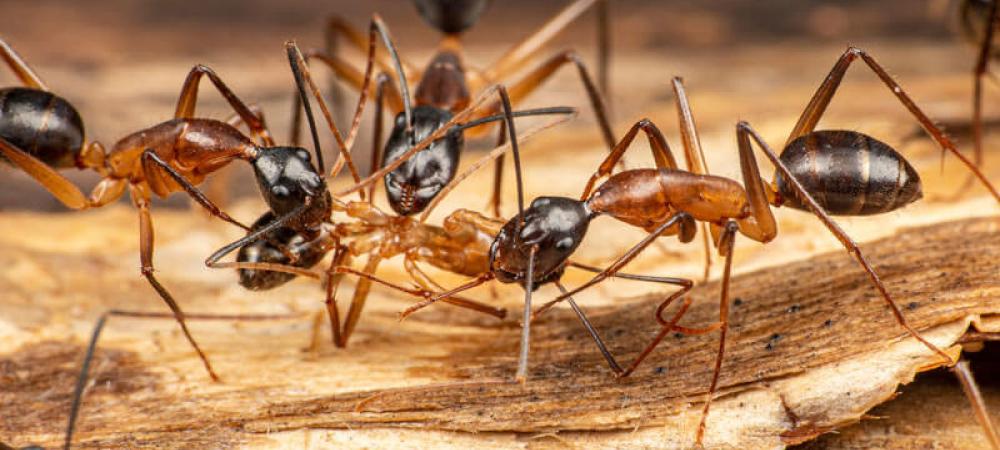
Carpenter ants can be easy to overlook when an infestation is just getting started. Unlike termites, they do not eat wood, but they do tunnel through it to create nesting galleries. Over time, that activity can damage wood and become harder to address if the colony is allowed to grow.
Knowing what to look for can help you catch carpenter ant activity earlier. In many cases, the first signs are subtle and may appear well before you ever find the actual nest.
Common Signs of Carpenter Ants
Seeing a few ants indoors does not always mean there is a nest inside the home. However, repeated activity, especially in the same areas, can point to a larger problem.
Some of the most common signs of carpenter ants include:
- Large black or dark-colored ants indoors
- Ant trails along walls, windows, or baseboards
- Small piles of wood shavings
- Faint rustling sounds inside walls
- Winged ants appearing indoors
- Ant activity near damp or damaged wood
- Repeated sightings over several days or weeks
The more of these signs you notice, the more likely it is that a colony is established somewhere nearby.
Large Ants Appearing Indoors
Carpenter ants are larger than many common household ants, which often makes them easier to notice.
Worker ants may enter the home while searching for food, even when the main nest is outside. However, frequent sightings can suggest that a nest is inside the structure or very close to it.
Pay attention to where the ants are appearing. Repeated activity around the same window, wall, doorway, or room can help narrow down where they are traveling from.
Wood Shavings Near Walls or Trim
One of the more distinctive signs of carpenter ants is the presence of small piles of wood debris.
As carpenter ants excavate wood, they remove material from their nesting galleries and push it out through small openings. This debris is often called frass and may look similar to coarse sawdust.
You may find it near:
- Baseboards
- Window frames
- Door frames
- Floor joists
- Wooden beams
- Wall openings
Finding wood shavings indoors is a good reason to inspect the surrounding area more closely.
Rustling Sounds Inside Walls
In some cases, a large carpenter ant colony can create faint rustling or crackling sounds inside wood or wall voids.
These sounds are not always easy to hear, but they may be more noticeable at night when the home is quiet.
If you hear light movement inside a wall and are also seeing carpenter ants nearby, there may be a nest hidden in that area.
Winged Carpenter Ants
Winged ants, also called swarmers, can be a sign that a mature colony is nearby.
Seeing one outdoors is not necessarily unusual, but finding several winged carpenter ants inside the home can be more concerning. It may indicate that the ants are emerging from a nest within the structure.
Winged carpenter ants can also be confused with termites, so proper identification is important.
Carpenter Ants Near Moisture-Damaged Wood
Carpenter ants are especially attracted to wood that has been softened by moisture or decay.
Areas with past or ongoing water problems are often worth checking first, including:
- Around windows and doors
- Under sinks
- Near plumbing fixtures
- Around roof leaks
- In basements and crawl spaces
- Around water heaters
- Near damaged siding
Even a slow leak can create conditions that make wood more suitable for nesting.
Where Carpenter Ants Commonly Nest
Once you notice signs of activity, the next step is figuring out where the ants may be nesting. Carpenter ants can build nests in many parts of the home, but some areas are more common than others.
Wall Voids
Gaps in walls provide a protected, undisturbed space where carpenter ants can build a colony.
Nests may develop near:
- Plumbing
- Insulation
- Electrical openings
- Damp framing
- Areas affected by previous leaks
Because these nests are hidden, homeowners may only notice ants emerging from outlets, trim, or small gaps along the wall.
Windows and Doors
Moisture can collect around windows and doors when flashing, caulking, or trim begins to fail. Over time, the surrounding wood may soften enough to become attractive to carpenter ants. Repeated ant activity around the same window or doorway can be a clue that a nesting area is nearby.
Basements and Crawl Spaces
Basements and crawl spaces can provide a combination of exposed wood, higher humidity, and easy access from outside.
Carpenter ants may nest around:
- Floor joists
- Sill plates
- Support beams
- Wooden framing
- Plumbing penetrations
If these areas are damp or poorly ventilated, the risk can increase.
Attics and Rooflines
Roof leaks can create favorable conditions for carpenter ants in attic spaces. Rafters, roof decking, fascia boards, soffits, and other wood near the roofline may be vulnerable if moisture has caused damage. Ants nesting in the attic may eventually travel through wall voids and appear elsewhere in the home.
Behind Siding
Moisture can sometimes become trapped behind siding, particularly around windows, doors, and other exterior openings. If the wood underneath becomes damp or damaged, carpenter ants may begin nesting behind the siding where they are difficult to see.
Outdoor Carpenter Ant Nests
Not every carpenter ant nest is inside the home.
Many colonies begin outdoors and send workers into the house while they search for food or new nesting sites.
Common outdoor nesting areas include:
- Dead or damaged trees
- Tree stumps
- Fallen logs
- Firewood piles
- Landscape timbers
- Wooden fences
- Decks and porches
- Sheds
Tree branches touching the roof or siding can also give ants an easy route indoors.
Carpenter Ants vs. Termites
Carpenter ants and termites can both cause damage to wood, but they do so in very different ways. Carpenter ants do not eat wood; instead, they excavate it to create smooth nesting galleries. Termites, on the other hand, feed on wood directly, which can lead to more extensive structural damage over time.
The damage they leave behind can also look different. Carpenter ant galleries are typically clean and smooth, while termite-damaged wood may contain soil, mud, or rougher, more irregular channels. Winged carpenter ants and termite swarmers can also look similar at a glance, so proper identification is important before deciding on a treatment approach.
How to Help Prevent Carpenter Ant Problems
Reducing moisture and limiting access to damaged wood can make your home less attractive to carpenter ants.
A few helpful steps include:
- Repair plumbing and roof leaks promptly
- Replace rotted or water-damaged wood
- Improve drainage around the foundation
- Keep gutters and downspouts clear
- Trim tree branches away from the home
- Store firewood away from the structure
- Remove old stumps and decaying wood when practical
- Seal gaps around windows, doors, and utility lines
These steps can reduce the conditions carpenter ants prefer, but they may not eliminate an established colony.