
Identifying and Preventing Silverfish in the Home
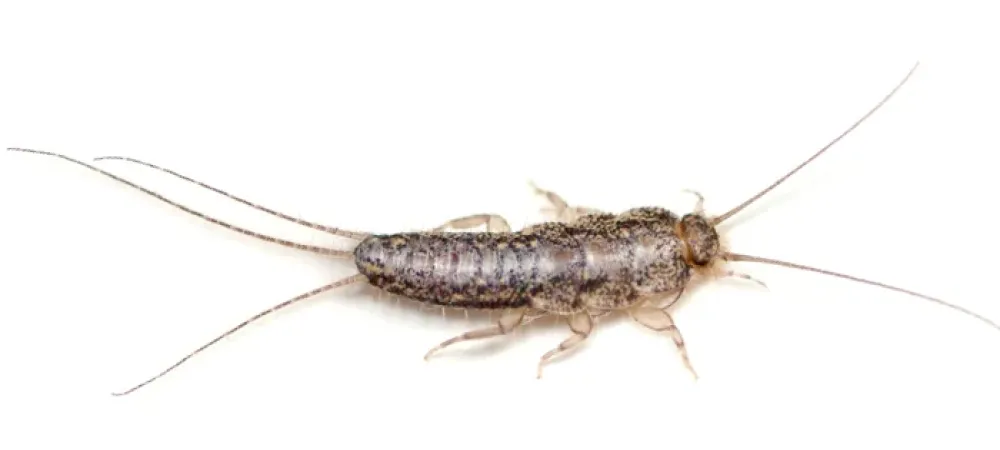
Silverfish are easy to miss until you suddenly spot one darting across a bathroom floor or disappearing behind a box in the basement. These small insects prefer dark, humid spaces and can remain hidden for long periods, which is why homeowners may notice them only after a population has already become established.
Although silverfish are not known for biting people, they can damage paper products, books, wallpaper, clothing, and other household materials. Understanding what attracts them and where they tend to hide can make it easier to reduce activity and protect stored belongings.
What Do Silverfish Look Like?
Silverfish get their name from their silvery-gray color and the way they move quickly across surfaces. They have long, tapered bodies with three bristle-like appendages at the end and two long antennae at the front.
Adults are typically small, but their quick movements make them easy to notice once they are out in the open. Because they are most active at night, many homeowners first see them when turning on a light in a bathroom, basement, laundry room, or kitchen.
Silverfish do not have wings and cannot fly. Instead, they rely on their speed to move between hiding places.
Common Signs of Silverfish
Seeing a live silverfish is the most obvious sign, but there are other clues that may point to ongoing activity.
Watch for:
- Small holes or irregular feeding marks in paper
- Damage to books, wallpaper, or cardboard
- Yellowish stains on stored materials
- Shed skins
- Small dark droppings
- Repeated sightings in the same rooms
Silverfish often feed slowly, so damage may develop over time rather than appearing all at once.
Where Silverfish Are Commonly Found
Silverfish prefer areas that are dark, humid, and relatively undisturbed. That makes certain parts of the home more likely to support activity.
Bathrooms
Bathrooms offer many of the conditions silverfish prefer, especially when humidity stays high after showers or baths. They may hide under sinks, behind baseboards, near plumbing openings, or inside cabinets.
Basements
Basements can provide moisture, storage materials, and plenty of hiding places. Cardboard boxes, books, old papers, and stored fabrics may all become attractive if they are kept in a damp area.
Kitchens and Pantries
Silverfish may also show up in kitchens, particularly around sinks, cabinets, and pantry areas. They are attracted to materials containing starches and sugars, which means certain stored food products can also become a food source if they are not sealed properly.
Laundry Rooms
Laundry rooms often combine warmth, moisture, and limited ventilation. Silverfish may hide around washing machines, utility sinks, shelves, or stored linens.
Attics and Storage Areas
Attics and closets can also support silverfish when humidity is present. These areas are especially appealing when they contain books, cardboard boxes, photographs, or old documents that remain undisturbed for long periods.
What Attracts Silverfish Indoors?
Silverfish are usually drawn to a combination of moisture, food sources, and shelter. Homes with high humidity or small leaks can create conditions that allow them to survive.
Common factors include:
- High indoor humidity
- Leaking pipes or fixtures
- Condensation
- Poor ventilation
- Cardboard storage boxes
- Books and paper products
- Wallpaper paste
- Stored fabrics
- Food crumbs or pantry products
Silverfish can survive for long periods with limited food, so simply removing one food source may not be enough if the surrounding conditions remain favorable.
Why Moisture Matters
Moisture is one of the biggest factors behind silverfish activity. These insects do best in humid environments, which is why they are so often associated with bathrooms, basements, and other damp spaces.
A slow plumbing leak, condensation around pipes, or consistently high humidity can create enough moisture to support them. Reducing humidity may not solve an existing problem on its own, but it can make the environment less favorable over time.
Homeowners can help by repairing leaks, improving ventilation, and using a dehumidifier in areas that stay damp.
Can Silverfish Damage Your Home?
Silverfish do not cause structural damage in the same way termites or carpenter ants can, but they can damage household materials.
They feed on substances that contain starches, sugars, and certain proteins, which can include:
- Books
- Paper
- Cardboard
- Wallpaper
- Glue
- Photos
- Clothing
- Linen
- Stored documents
- Some dry food products
Damage often appears as small holes, uneven edges, or surface scraping. Over time, repeated feeding can ruin items that are stored in areas where silverfish remain active.
How Silverfish Get Inside
Silverfish can enter through small cracks and gaps around the home, but they may also be brought inside in boxes, books, paper products, or other stored materials.
Once indoors, they can move through wall voids, baseboards, cabinets, and utility openings. Their flat bodies make it easy for them to squeeze into very narrow spaces.
Common entry points include:
- Cracks around windows and doors
- Gaps near plumbing
- Foundation openings
- Utility penetrations
- Storage boxes brought indoors
Because they are good at hiding, it may be difficult to identify exactly where they entered.
How to Help Prevent Silverfish
Prevention usually works best when moisture control, storage habits, and general home maintenance are addressed together.
A few steps that can help include:
- Repair leaking pipes and fixtures
- Use exhaust fans in bathrooms
- Run a dehumidifier in damp basements
- Improve airflow in storage areas
- Store books and documents in sealed containers
- Replace cardboard boxes with plastic bins when possible
- Vacuum around baseboards and storage areas
- Seal cracks and gaps around plumbing and utility lines
- Keep pantry items in sealed containers
Reducing clutter can also help by removing some of the hidden spaces silverfish use for shelter.
Pay Attention to Recurring Activity
An occasional silverfish does not always mean there is a large infestation. However, repeated sightings in the same room or finding damage to books, papers, or stored materials can indicate that the conditions are supporting ongoing activity.
In those cases, it is worth looking beyond the insects themselves and checking for humidity, leaks, clutter, or other factors that may be contributing to the problem.
Silverfish are good at staying hidden, so prevention and early attention to moisture issues are often the best ways to keep activity from becoming more widespread.