
Common House Spiders in Connecticut
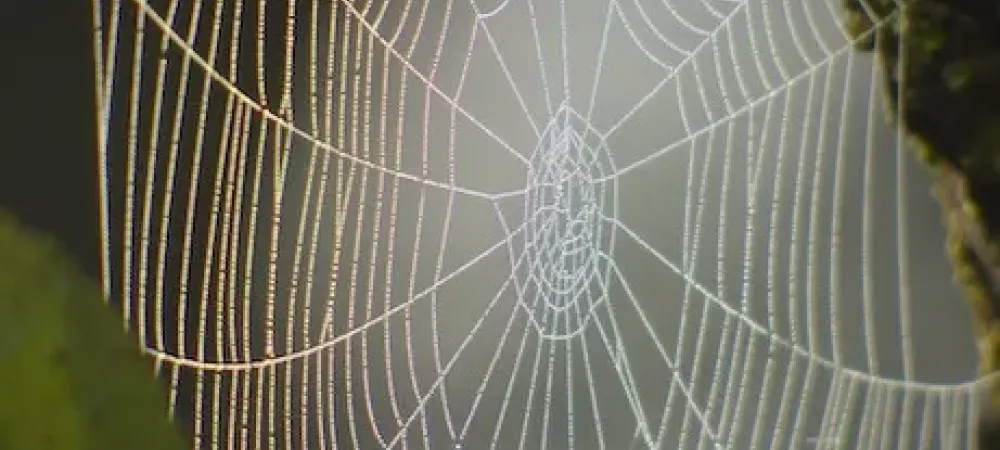
Spiders are a regular part of life in Connecticut, and most species found around homes are more of a nuisance than a serious threat. They often make their way indoors while searching for food, shelter, or a quiet place to build a web.
While an occasional spider is not usually a cause for concern, frequent sightings can point to conditions that are making your home especially inviting. Understanding where spiders tend to hide and what attracts them can make it easier to reduce activity over time.
Common Spiders Found Around Connecticut Homes
Connecticut is home to many different spider species, but only a handful are commonly found indoors. The exact species can vary depending on where you live, the time of year, and the conditions around your property.
House Spiders
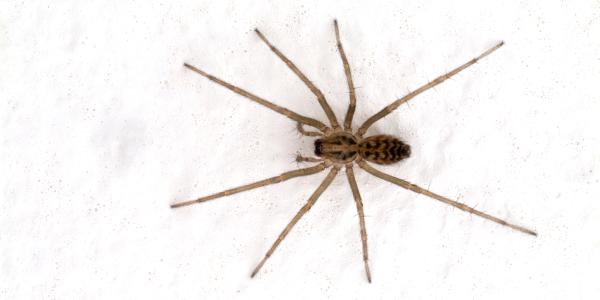
House spiders are among the most common spiders found indoors. They often build webs in corners, along ceilings, around windows, and in other low-traffic areas where they can remain undisturbed.
These spiders are usually small and may vary in color from light brown to darker shades. Their webs can become noticeable when they are left in place for long periods, especially in basements, garages, and storage areas.
Cellar Spiders
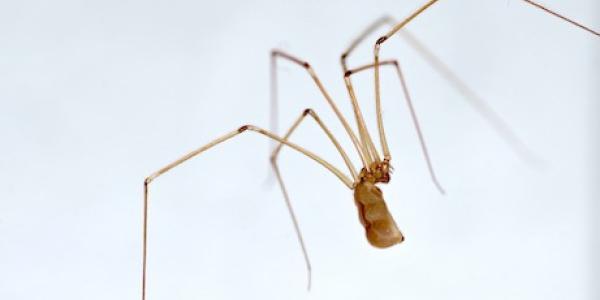
Cellar spiders are easy to recognize by their small bodies and very long, thin legs. They are often found in basements, crawl spaces, garages, and other damp or sheltered areas.
They typically build loose, irregular webs in corners and may remain in the same area for long stretches of time if food is available.
Wolf Spiders
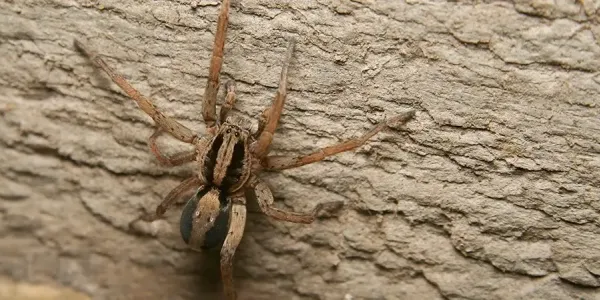
Wolf spiders do not build webs to catch prey. Instead, they actively hunt insects and may move quickly across floors, walls, or other surfaces.
Because they are larger than many indoor spiders, wolf spiders can be startling when they appear. They are commonly found in basements, garages, sheds, and around exterior foundations where other insects are present.
Jumping Spiders
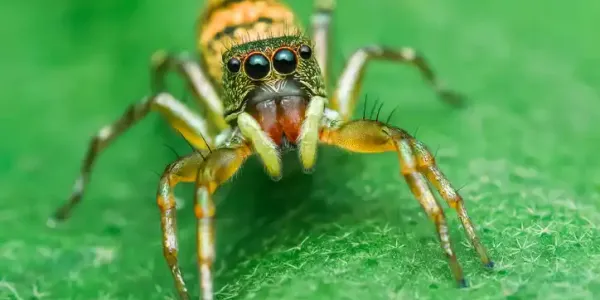
Jumping spiders are small, compact spiders known for their quick movements and ability to jump short distances. They are often found near windows, doors, and other well-lit areas where insects may gather.
Unlike web-building spiders, jumping spiders hunt their prey directly. They may occasionally wander indoors, especially during warmer months.
Where Spiders Commonly Hide Indoors
Spiders prefer areas that are quiet, protected, and close to a reliable food source. This often leads them to spaces that homeowners do not use or disturb very often.
Common hiding areas include:
- Basement corners
- Crawl spaces
- Garages
- Attics
- Closets
- Storage rooms
- Behind furniture
- Around windows and doors
- Near utility areas
- Around ceiling joists and exposed beams
Basements are especially common because they often provide moisture, darkness, and access to insects that spiders feed on. Garages and sheds can offer similar conditions, particularly when doors are frequently left open.
What Attracts Spiders to a Home?
Spiders do not usually enter homes because they are looking for people. They are primarily looking for food, shelter, or favorable conditions.
One of the biggest factors is the presence of other insects. If ants, flies, mosquitoes, moths, or other small pests are active in or around the home, spiders may follow because those insects provide a steady food source.
Clutter can also make a home more appealing by creating plenty of undisturbed hiding places. Cardboard boxes, storage bins, piles of belongings, and rarely used rooms can give spiders places to settle without being disturbed.
Moisture can play a role as well. Damp basements, crawl spaces, and utility rooms often attract insects, which in turn can attract spiders.
How Spiders Get Inside
Spiders can enter through many of the same openings used by other household pests. They may crawl through small cracks or gaps or accidentally be carried inside on firewood, boxes, plants, or other items.
Common entry points include:
- Gaps around windows and doors
- Foundation cracks
- Openings around utility lines
- Damaged screens
- Garage doors
- Gaps beneath exterior doors
- Attic and crawl space vents
Spiders may also move indoors as temperatures change, especially if exterior conditions become less favorable.
Are House Spiders Dangerous?
Most spiders found in Connecticut homes are not considered dangerous to people. Many common species are reluctant to bite and typically do so only if they are trapped or handled.
Even so, it is best to avoid picking up spiders with your hands. If you are unsure what species you are dealing with, keeping your distance and using a container or other method to remove it is usually the safer option.
Spider identification can sometimes be difficult because color and size can vary even within the same species. A photo can be helpful if you need assistance identifying an unfamiliar spider.
Signs You May Have More Than an Occasional Spider
Seeing a single spider does not necessarily mean there is an infestation. Spiders often wander indoors by accident and may not remain there for long.
More frequent activity can be a sign that the home is providing favorable conditions. Some signs to watch for include:
- Multiple spiders appearing in the same area
- Webs returning shortly after they are removed
- Egg sacs near webs or hidden areas
- Frequent spider sightings in basements or garages
- Large numbers of other insects indoors
If spiders continue to appear despite regular cleaning and web removal, it may be worth looking at the larger conditions around the home rather than focusing only on the spiders themselves.
How to Help Keep Spiders Out
Spider prevention is usually most effective when you address both entry points and the insects they feed on. Removing one spider may solve the immediate problem, but it will not do much if the conditions that attracted it remain.
A few practical steps can help reduce activity:
- Seal cracks and gaps around windows, doors, and the foundation
- Repair damaged screens
- Replace worn weatherstripping
- Keep garage doors closed when possible
- Remove webs as they appear
- Reduce clutter in basements, garages, and storage areas
- Store items in sealed plastic containers instead of cardboard boxes
- Trim shrubs and vegetation away from the exterior
- Keep outdoor lighting away from doors and windows when practical
- Address other insect activity around the home
Vacuuming webs and egg sacs is also a simple way to remove spiders and discourage them from settling in the same areas.
Pay Attention to Outdoor Conditions
Spider prevention should not stop at the front door. Many indoor spider problems begin outside, where spiders build webs around siding, porch lights, windows, landscaping, and other areas close to the structure.
Vegetation that touches the house can provide a bridge for spiders and other insects. Keeping shrubs, branches, and groundcover trimmed back can help reduce activity along the exterior.
Outdoor lighting can also attract flying insects at night, which may draw spiders to doors and windows. Moving lights farther from entryways or using lighting only when needed can help make these areas less attractive.
Reducing Spider Activity Over Time
The goal does not have to be eliminating every spider from your property. Spiders are a natural part of the environment and can help control other insect populations outdoors.
Inside the home, however, repeated spider activity often means there is something else supporting them. Focusing on moisture, clutter, entry points, and other insect activity is usually more effective than simply removing the spiders you can see.
Regular inspections around basements, garages, windows, doors, and exterior walls can help you catch small problems early and keep spider activity from becoming a recurring nuisance.