
Common Entry Points for Wildlife Around Your Home
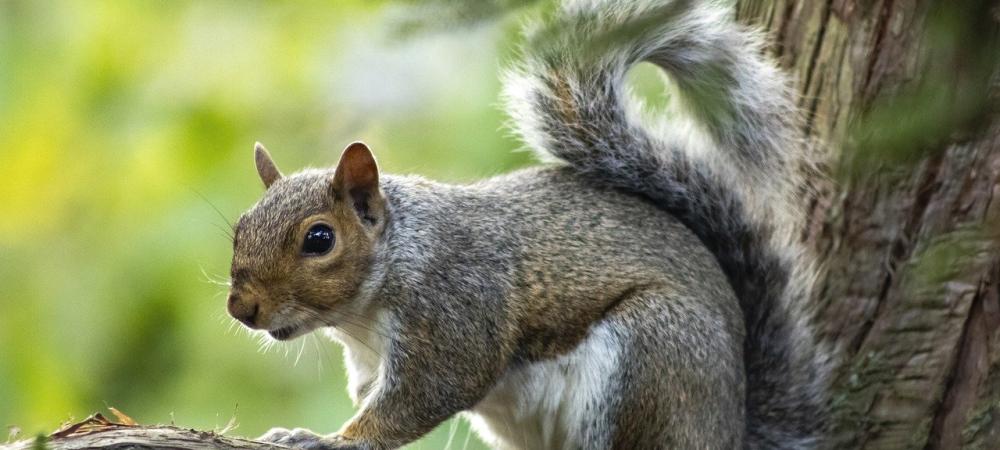
Wildlife often gets into homes by taking advantage of openings that are easy to overlook. Gaps around the roofline, damaged vents, loose siding, and foundation openings can all provide access to attics, crawl spaces, walls, and other protected areas.
Once an animal gets inside, it may use the space for shelter, nesting, or protection from weather and predators. Knowing where wildlife commonly enters can make it easier to spot vulnerable areas before they turn into a larger problem.
Rooflines and Eaves
The roofline is one of the most common areas where wildlife gains access to a home. Small gaps around eaves, soffits, fascia boards, and roof edges may be large enough for squirrels, bats, birds, and other animals to enter.
Damage in these areas can develop gradually due to moisture, age, weather, or normal wear. Animals may also enlarge an existing opening by chewing or pushing through weakened materials.
Pay close attention to:
- Loose or damaged soffits
- Gaps where the roof meets the siding
- Rotting fascia boards
- Openings around roof overhangs
- Areas where trim has pulled away from the structure
Because these openings are often high above the ground, they can go unnoticed until activity is heard or seen inside the attic.
Roof and Attic Vents
Vents are necessary for airflow, but damaged or poorly screened vents can also become entry points. Wildlife may be able to squeeze through broken covers, torn screens, or gaps around the edges.
Common problem areas include attic vents, gable vents, ridge vents, and roof vents. Birds and bats may be especially likely to use higher openings, while squirrels can chew through weakened vent covers or surrounding materials.
If a vent looks damaged, loose, or partially open, it is worth having it repaired before an animal takes advantage of it.
Chimneys
An uncapped or damaged chimney can provide direct access into the home. Birds, squirrels, raccoons, and bats may enter from the top and become trapped or settle inside.
A properly installed chimney cap can help prevent wildlife from entering while still allowing the chimney to function as intended. Homeowners should also check for damaged flashing or gaps where the chimney meets the roof, since those areas may create additional access points.
Gaps Around Siding
Loose, damaged, or deteriorating siding can create hidden gaps that animals may use to enter wall voids or other parts of the structure. These openings are especially easy to miss when they are located near roof intersections, corners, or behind exterior trim.
Smaller wildlife may only need a narrow opening, and once inside, they can move through walls or insulation without being immediately visible.
Regularly inspecting siding for damage, warping, or areas that have pulled away from the home can help catch these openings early.
Openings Around Utility Lines
Cables, plumbing lines, electrical wiring, and HVAC components often pass through exterior walls. If the opening around the line is larger than necessary or the sealant has deteriorated, wildlife may use the gap to get inside.
These areas are especially common around:
- Air conditioning lines
- Cable and internet connections
- Plumbing pipes
- Electrical conduits
- Outdoor faucets
Even if an opening looks small, it may still be large enough for mice, bats, or other small animals to squeeze through.
Foundation Gaps
Wildlife does not always enter from above. Openings near the foundation can lead into basements, crawl spaces, garages, or wall cavities.
Cracks, damaged vents, gaps beneath siding, and openings around utility penetrations can all create access near ground level. Mice and other small animals are particularly good at squeezing through narrow spaces.
Inspecting the lower exterior of the home can help identify:
- Foundation cracks
- Gaps around basement windows
- Openings near sill plates
- Damaged crawl space vents
- Spaces under exterior doors
Areas where the foundation meets siding or other building materials are also worth checking closely.
Crawl Space Vents and Access Doors
Crawl spaces provide shelter and can be especially attractive when they are quiet, dark, and rarely disturbed. Damaged vent screens, loose access doors, or gaps around the perimeter can allow wildlife to move inside.
Once in a crawl space, animals may damage insulation, wiring, ductwork, or stored materials. They may also create nesting areas beneath the home and move into wall cavities from there.
Keeping crawl space doors secure and replacing damaged vent screens can help reduce access.
Garage Doors
Garage doors often leave small gaps along the sides or bottom, especially when weatherstripping becomes worn or damaged. These openings may allow mice, snakes, and other small animals to enter.
Attached garages can be especially important because wildlife that gets into the garage may eventually find another path into the main living area.
Check the seal along the bottom of the garage door and look for daylight around the edges when the door is closed. Replacing worn weatherstripping can help close off these gaps.
Dryer and Exhaust Vents
Dryer vents, bathroom exhaust vents, and other exterior openings can become wildlife entry points if covers are missing or damaged. Birds may attempt to nest in vent openings, while smaller animals can sometimes push through loose flaps or broken screens.
Vent covers should be secure and able to open and close properly. Any damaged cover should be replaced with one that is appropriate for the type of vent.
Tree Branches Near the Roof
Not every wildlife entry point is part of the structure itself. Tree branches that extend over or touch the roof can give squirrels and other climbing animals easier access to vulnerable areas.
Once on the roof, animals can investigate soffits, vents, roof edges, and other openings that might otherwise be harder to reach. Trimming branches away from the home can reduce this access and make it more difficult for wildlife to reach the roofline.
Decks, Porches, and Sheds
Wildlife can also settle beneath decks, porches, sheds, and other structures around the property. These spaces may provide shelter even if the animals never enter the main home.
Open areas beneath these structures can attract animals looking for a protected place to rest or nest. In some cases, wildlife may eventually find a secondary entry point into the house from one of these areas.
Keeping these spaces clear and inspecting for digging, nesting material, droppings, or other signs of activity can help identify problems early.
Signs Wildlife May Be Getting Inside
Entry points are not always obvious, especially when they are located in an attic, crawl space, or behind exterior materials. Sometimes the first clue is activity inside the home.
Signs to watch for include:
- Scratching or movement in walls or ceilings
- Noises in the attic, especially at night or early in the morning
- Droppings
- Chewed materials
- Damaged insulation
- Nesting material
- Unusual odors
- Tracks or smudges near openings
- Visible animals entering or leaving the structure
Repeated activity in the same area can help narrow down where an animal may be getting in.
How to Reduce Wildlife Access
Wildlife prevention starts with keeping the exterior of the home in good condition and closing off openings whenever possible. Small maintenance issues can become convenient entry points when they are left unaddressed.
Homeowners can help reduce access by:
- Repairing damaged soffits and fascia
- Securing attic and crawl space vents
- Installing or repairing chimney caps
- Replacing worn door seals and weatherstripping
- Sealing gaps around utility lines
- Repairing damaged siding
- Trimming tree branches away from the roof
- Keeping garage doors properly sealed
- Inspecting exterior vents regularly
Before sealing an opening, make sure an animal is not already inside. Closing off an active entry point can trap wildlife within the structure and create a more complicated problem.
Staying Ahead of Wildlife Problems
Many wildlife problems begin with a small opening that goes unnoticed. Routine exterior inspections can help homeowners catch these weak points before animals have a chance to move in.
Checking the roofline, foundation, vents, doors, and utility openings a few times each year can go a long way toward reducing access. It is also worth taking a closer look after storms or exterior repairs, since damage or construction work can sometimes create new gaps around the home.