
Common Basement Pests in Connecticut Homes
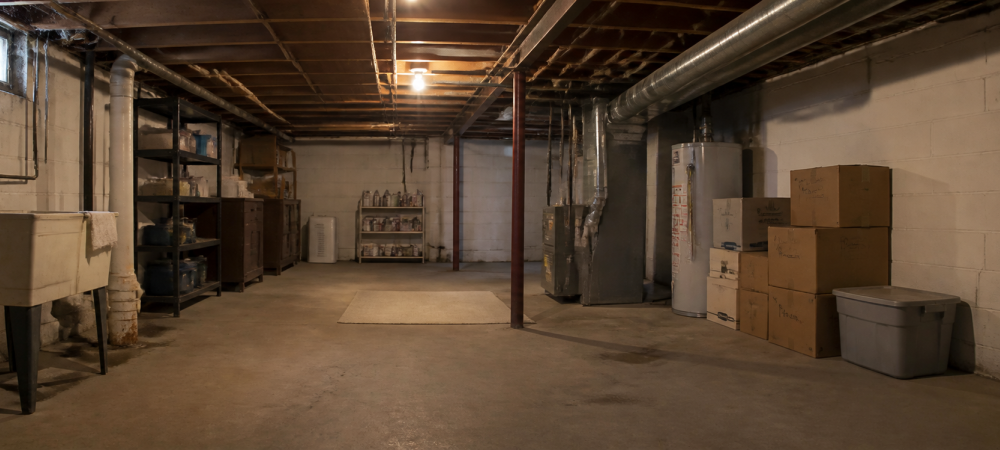
Basements offer plenty of hiding places for pests, especially when moisture, storage boxes, cracks, and other entry points are present. Connecticut homeowners may notice increased pest activity in these lower levels throughout the year as insects and rodents look for shelter, food, or a way inside.
Knowing which pests are commonly found in basements can make it easier to spot a problem early and take steps to keep them from spreading to other areas of the home.
Common Pests Found in Connecticut Basements
Several pests are particularly well suited to basement environments. Some are drawn to moisture, while others simply take advantage of the quiet, undisturbed spaces basements provide.
Spiders
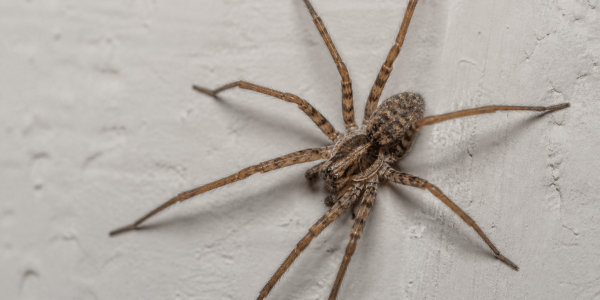
Spiders often settle into basements because these areas provide dark corners, limited foot traffic, and access to other insects they can feed on.
Homeowners may find webs around:
- Ceiling joists
- Window wells
- Storage areas
- Utility rooms
- Basement corners
- Pipes and ductwork
An occasional spider may not indicate a larger problem, but frequent spider activity can sometimes signal that other insects are also present.
House Centipedes
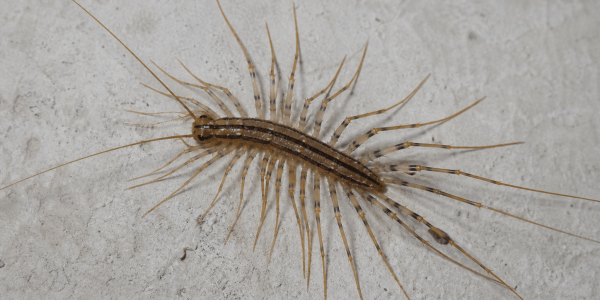
House centipedes are commonly found in cool, damp areas of the home, making basements an ideal place for them to hide.
These fast-moving pests often stay near:
- Floor drains
- Utility sinks
- Foundation walls
- Laundry areas
- Furnaces and water heaters
Centipedes feed on other insects, including spiders, silverfish, and small cockroaches. Regular sightings can be a sign that your basement is supporting a larger population of pests.
Silverfish
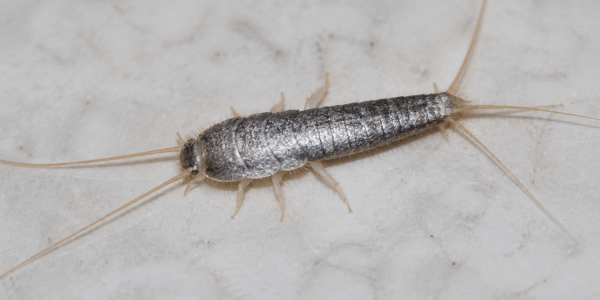
Silverfish prefer humid spaces and are frequently found in basements, bathrooms, and other areas where moisture tends to collect.
They may hide inside cardboard boxes, near stored paper products, along baseboards, or beneath items that have remained undisturbed for long periods.
While silverfish do not bite or sting, they can damage materials containing starches and cellulose, including:
- Books
- Paper
- Cardboard
- Wallpaper
- Stored documents
Reducing excess moisture and limiting clutter can make basement conditions less appealing to them.
Ants
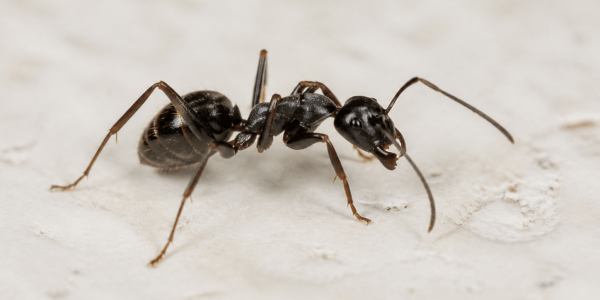
Ant activity in the basement may begin around foundation cracks, windows, utility openings, or other small gaps leading outdoors.
Some ants simply enter while searching for food or moisture, while carpenter ants can be more concerning because they create nesting galleries inside wood.
Basements with damp or water-damaged wood can be especially attractive to carpenter ants. Seeing large ants indoors repeatedly, particularly during the warmer months, may warrant a closer inspection.
Cockroaches
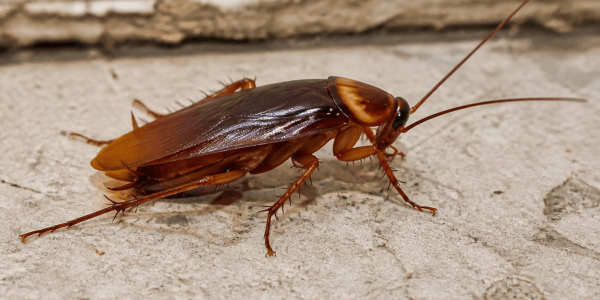
Basements can provide cockroaches with many of the conditions they need to survive, including moisture, warmth, shelter, and access to food.
Cockroaches often hide during the day and become more active at night. They may be found around:
- Drains
- Utility areas
- Stored boxes
- Appliances
- Plumbing
- Cracks along walls or floors
Because cockroaches can reproduce quickly, even a small amount of activity should be addressed before the population has an opportunity to grow.
Mice
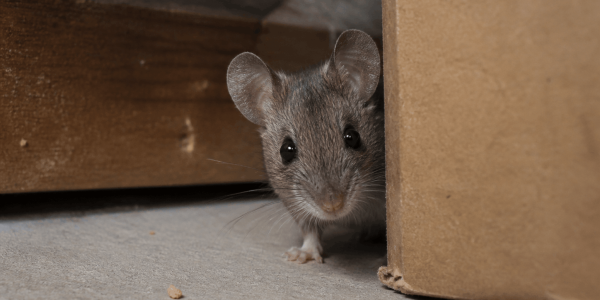
Basements are also a common entry point for mice. Small openings around the foundation, utility lines, doors, and windows can give rodents access to the home.
Once inside, mice may nest behind stored belongings, inside insulation, along sill plates, or near mechanical equipment.
Common signs of mice in the basement include:
- Droppings
- Gnaw marks
- Shredded nesting material
- Scratching sounds
- Damaged food packaging
- Musty or unusual odors
Mice can move from the basement into walls, kitchens, attics, and other areas of the home, making early control especially important.
Conditions That Attract Pests to Basements
Pest activity is often tied to the conditions within the basement rather than the basement itself.
Excess Moisture
Leaking pipes, condensation, poor drainage, and high humidity can create favorable conditions for silverfish, centipedes, cockroaches, and other moisture-loving pests.
Addressing leaks and using a dehumidifier when necessary can help reduce these conditions.
Clutter and Storage
Cardboard boxes, stacks of paper, and rarely moved belongings provide pests with places to hide and nest.
Using sealed plastic storage containers and keeping items elevated from the floor can make it easier to spot pest activity and reduce available shelter.
Gaps Around the Foundation
Even small openings can provide pests with a path indoors.
Potential entry points include:
- Foundation cracks
- Basement windows
- Door frames
- Utility penetrations
- Dryer vents
- Gaps around pipes
- Damaged weatherstripping
Sealing accessible gaps can help limit the number of pests entering from outside.
How to Help Prevent Basement Pest Problems
A few routine maintenance steps can make your basement less attractive to pests.
Keep humidity levels under control, repair plumbing leaks promptly, and remove unnecessary clutter whenever possible. Inspect doors, windows, vents, and utility openings for gaps that pests could use to enter.
It is also important to pay attention to recurring activity. Regular sightings of spiders, centipedes, ants, cockroaches, or rodents may indicate that pests have found an ongoing food source, nesting area, or entry point nearby.
Professional Basement Pest Control in Connecticut
Basement pest problems can be difficult to solve when pests are entering through hidden openings or nesting in areas that are difficult to access. Treating the pests you can see may provide temporary relief without addressing the source of the problem.
ProfExt provides professional pest control services for Connecticut homeowners dealing with insects, rodents, and other unwanted pests. Our team can identify pest activity, locate contributing conditions, and recommend a treatment approach designed for your home.
Contact ProfExt today to schedule your pest control service and help keep pests out of your basement and the rest of your home.